The future of automotive trade shows: spaces that drive impact
Mar 17, 2026
Trade shows remain a significant part of the automotive industry.
For many brands, exhibitions are where new models are revealed, innovation is showcased and competitive presence is reinforced. But the expectations placed on the stands themselves have shifted.
Trade show environments are busy, loud and often overstimulating and with attention fragmented, visitors move quickly though the show. In this context, impact isn’t created through scale alone it’s created through clarity.
Here’s 3 things to think about:
Designing for behaviour
Automotive tradeshow halls are often visually intense, with multiple brands competing for attention, complexity can easily become overwhelming.
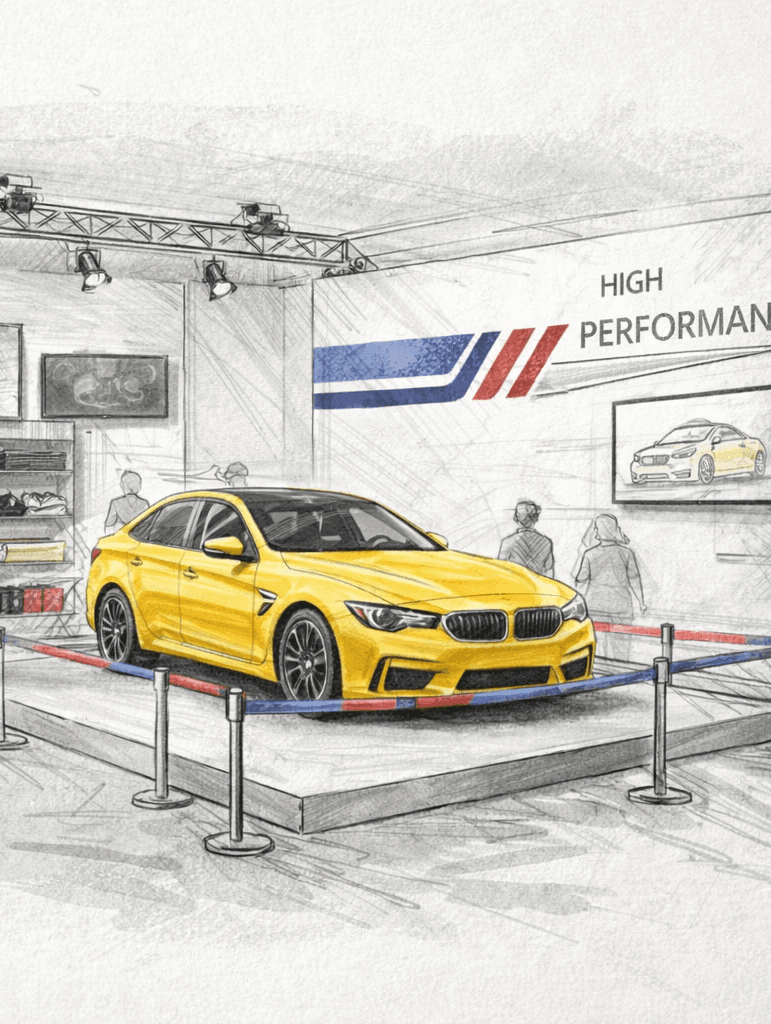
Focusing on lighting, height, material chooses and contrast can guide attention before any communication is read. Clear sightlines help visitors understand the space instantly and how to move through along with clear, confident messaging to prevent overwhelm.
Designing for behaviour means asking: Where will people pause? What naturally draws attention from a distance? How does the layout encourage dwell time rather than pass-through?
When a stand feels intuitive and easy to navigate, visitors are more likely to stay and time spent within a space is often the clearest indicator of engagement.
Create a brand experience
Most visitors arrive already informed and a pre-exciting notion about your product already. What they seek at a trade show is context a clearer understanding of the brand behind the product.
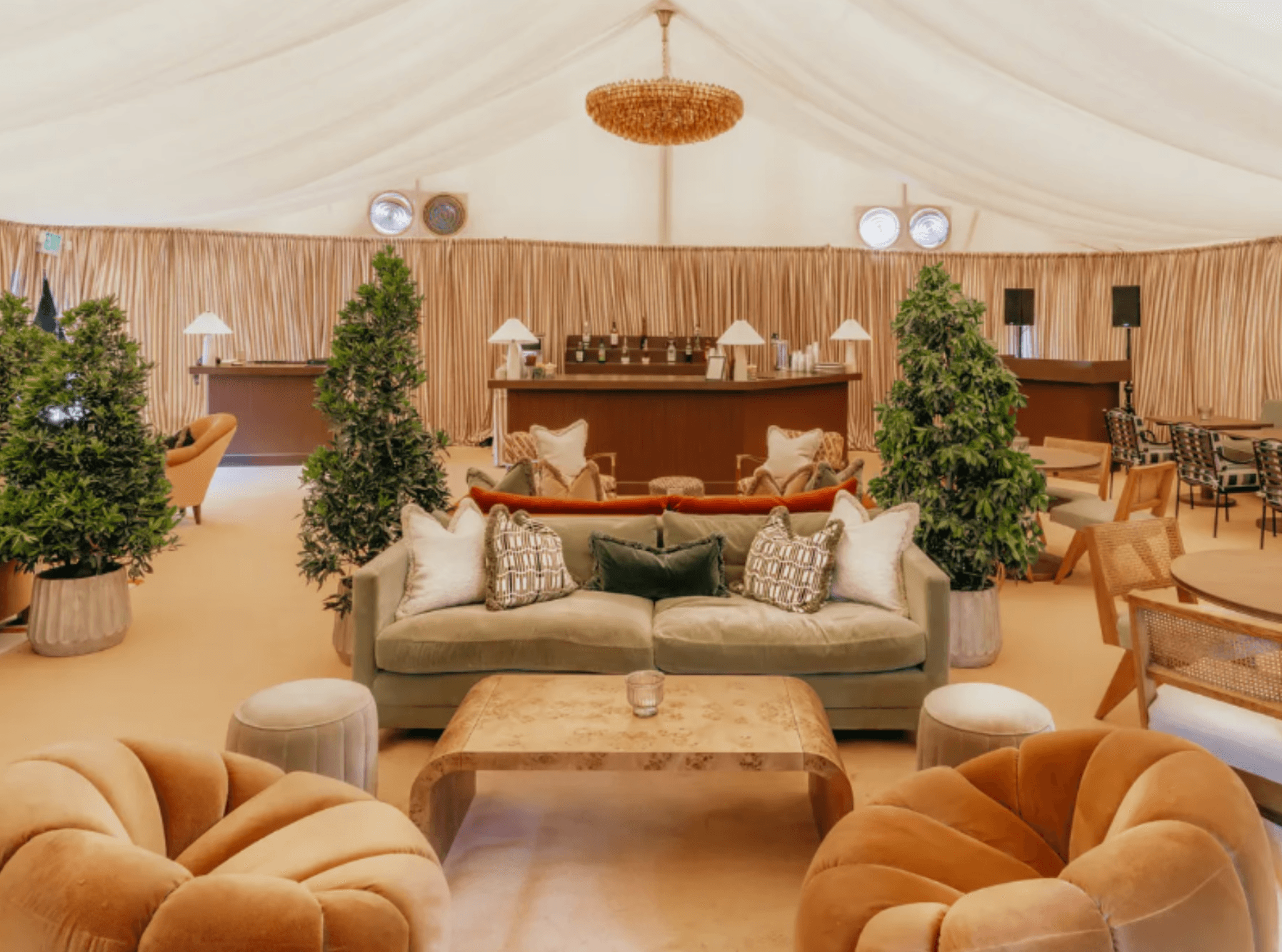
When creating zones, think about storytelling, not just vehicle placement. The stand should guide visitors through a considered sequence - arrival, exploration, interaction and conversation.
The most effective automotive stands feel less like temporary display platforms and more like condensed brand environments, spaces that communicate identity, performance and ambition in a coherent way.
Flexibility for multiple uses
We understand that an expo space is a significant investment and brands should be looking into long-term value and sustainability.
Think about:
Can the stand be reused?
Can key elements adapt across multiple shows?
Can the design flex between different types of events like networking events to tradeshows?
Modular structures, adaptable lighting and reconfigurable zones allow brands to maintain consistency while adjusting to different formats and audiences. This approach also supports sustainability goals and budget efficiency. Multi-use thinking ensures the stand design and materials can perform beyond that single event.