How to design a retail store that attracts more customers
Jan 22, 2026
How to design a retail store that attracts more customers (and boosts sales)
Designing a retail store in 2026 requires more than placing products on shelves and hoping they sell.
Successful retail environments are designed around how customers move, feel and behave in a space. When layout, experience and brand are considered together, stores can increase dwell time, encourage exploration and ultimately support stronger sales.
Elements to consider when designing your next retail store:
1. Customer Journey and Store Layout
The layout of your store plays a critical role in how customers experience it.
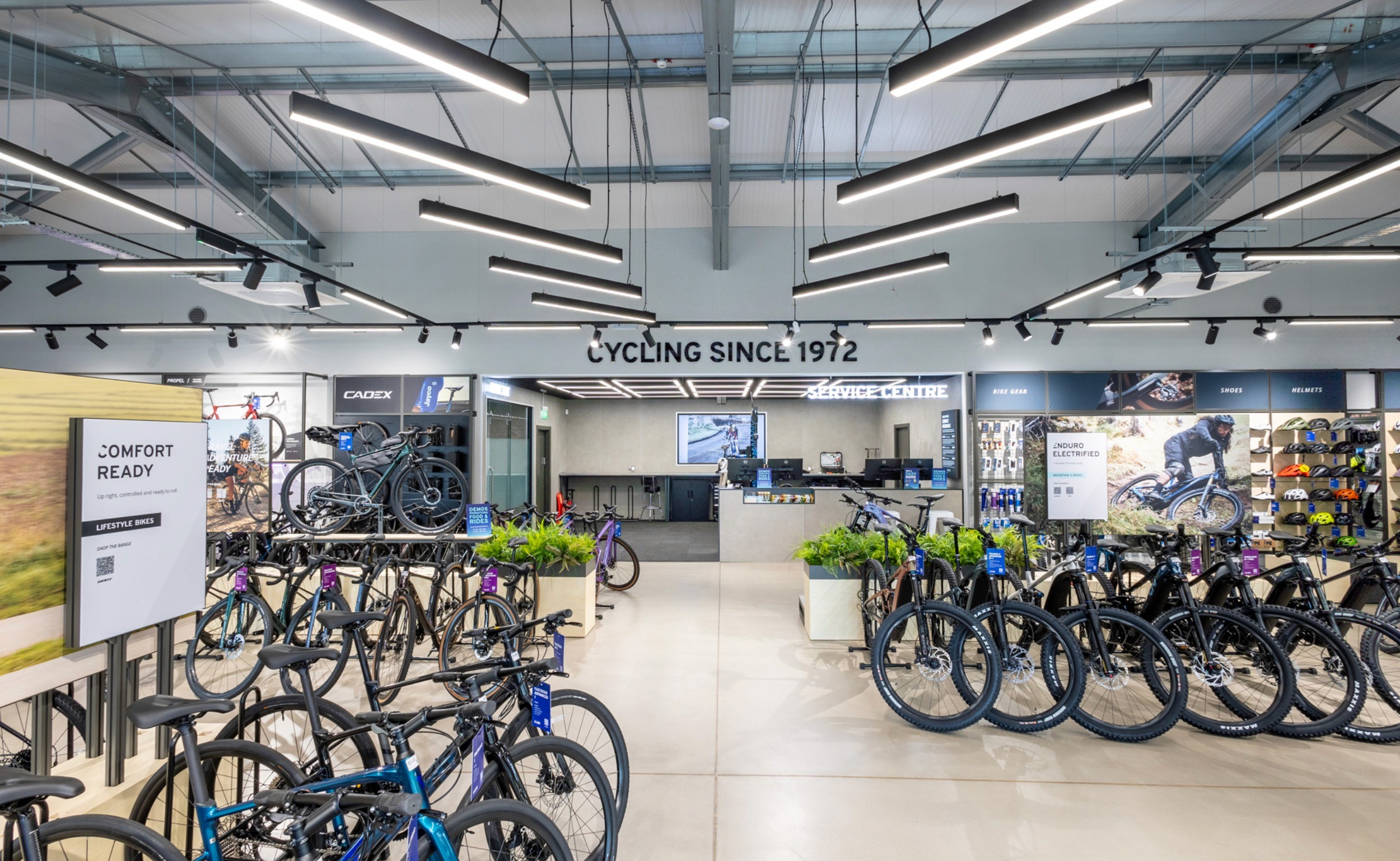
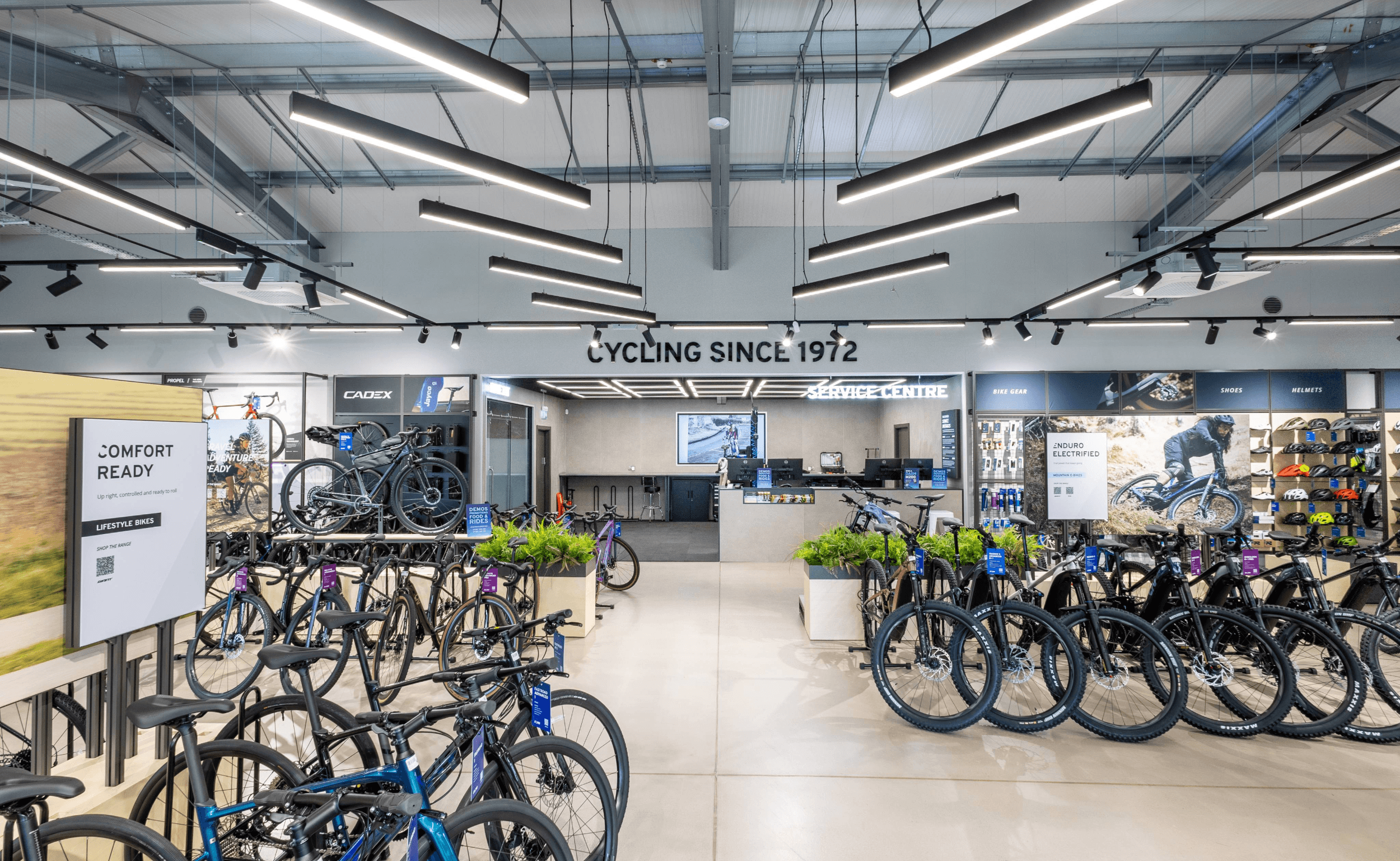
If people feel unsure about where to go or what’s available, they’re far more likely to disengage and leave. A clear customer journey helps guide visitors naturally through the space, ensuring key products and brand moments are seen along the way.
Good retail layouts are intuitive, allowing customers to explore comfortably while subtly encouraging movement through the store.
2. Clear Signage and Communication
Closely linked to layout is how clearly the space communicates.
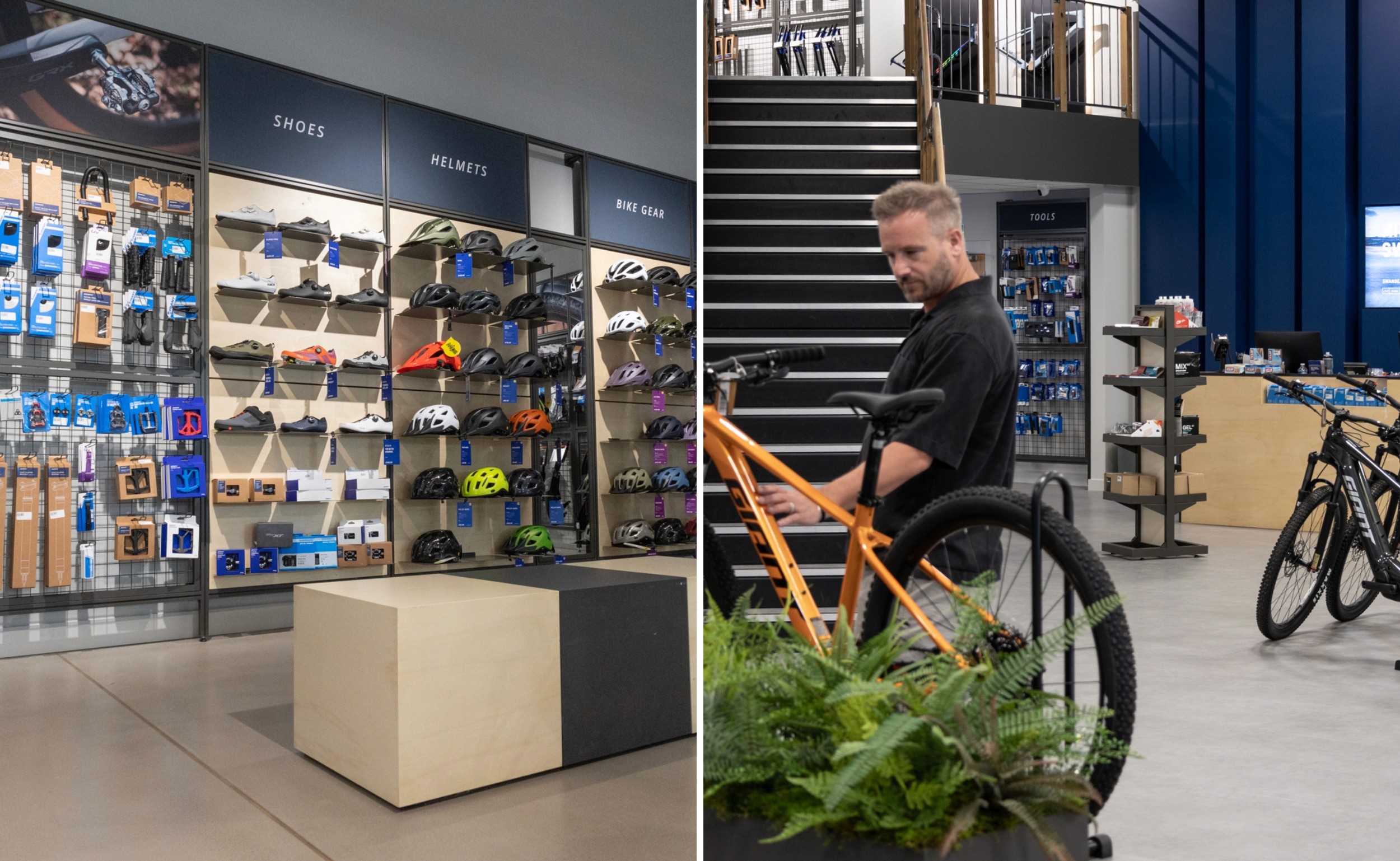
Signage, visual cues and zoning should make it immediately obvious what’s on offer and where customers should go next. This doesn’t need to be loud or overbearing - often subtle cues such as lighting changes, material shifts or simple graphic elements are enough.
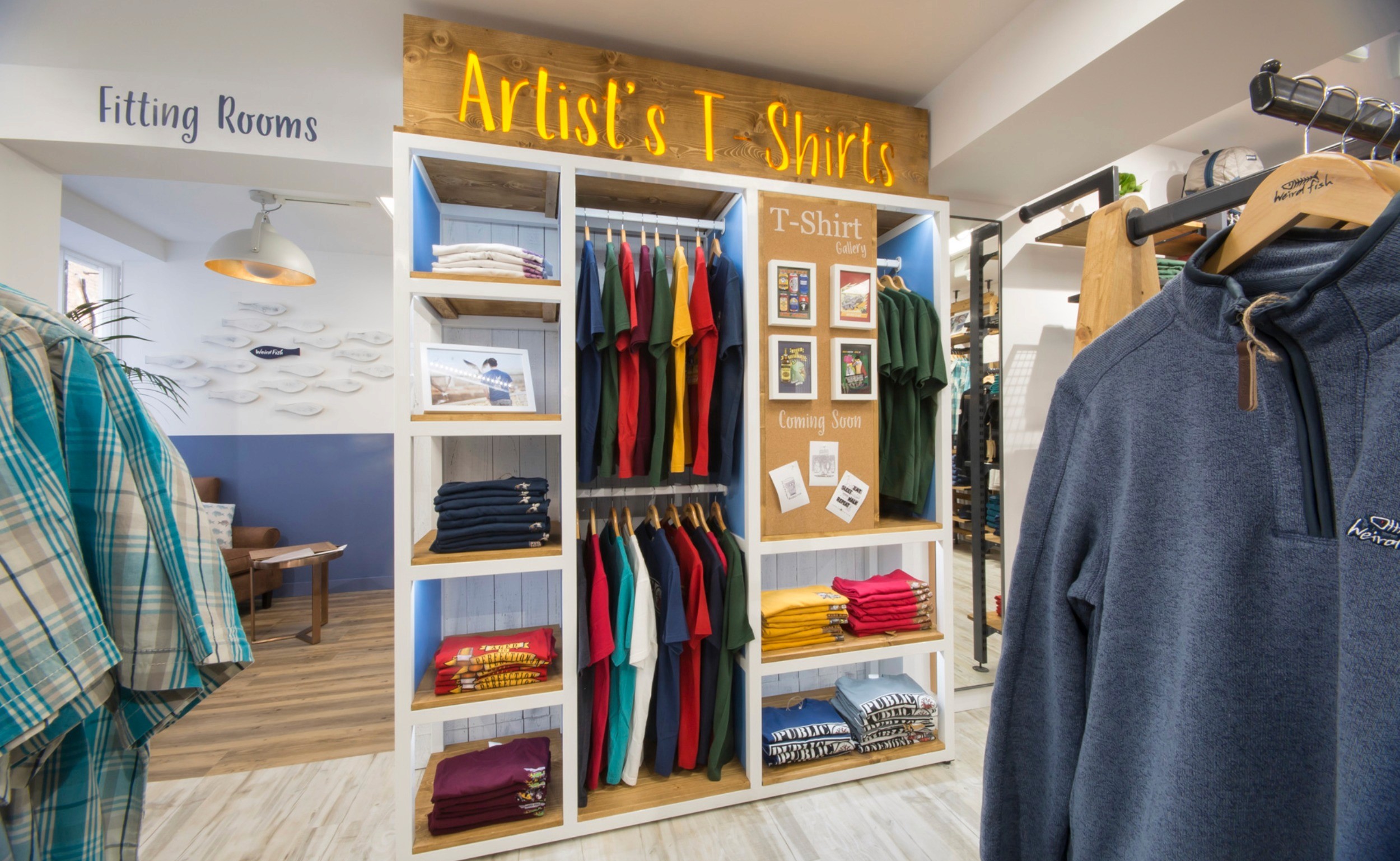
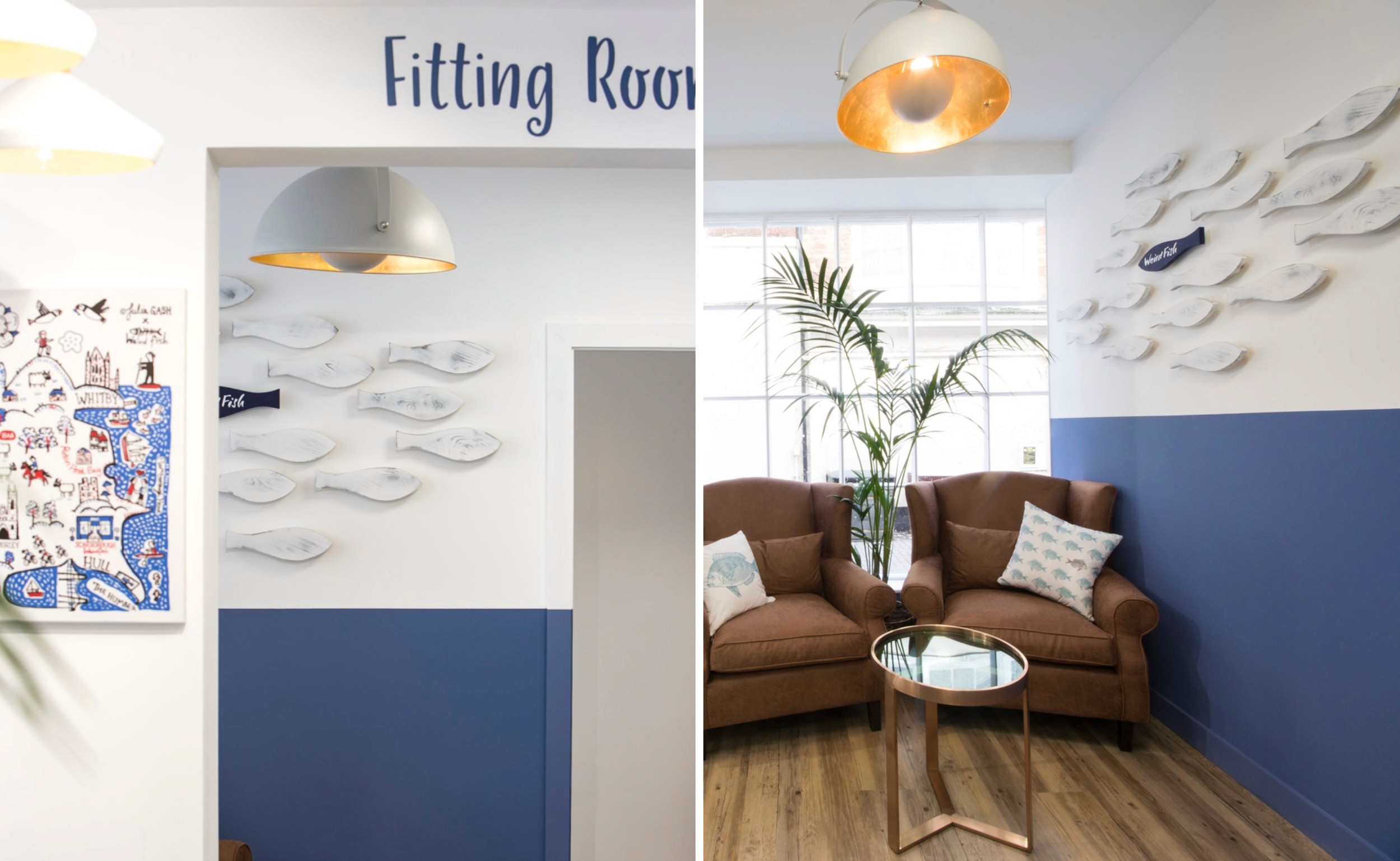
When communication is clear, customers feel more confident navigating the space, which makes the shopping experience feel calmer and more enjoyable.
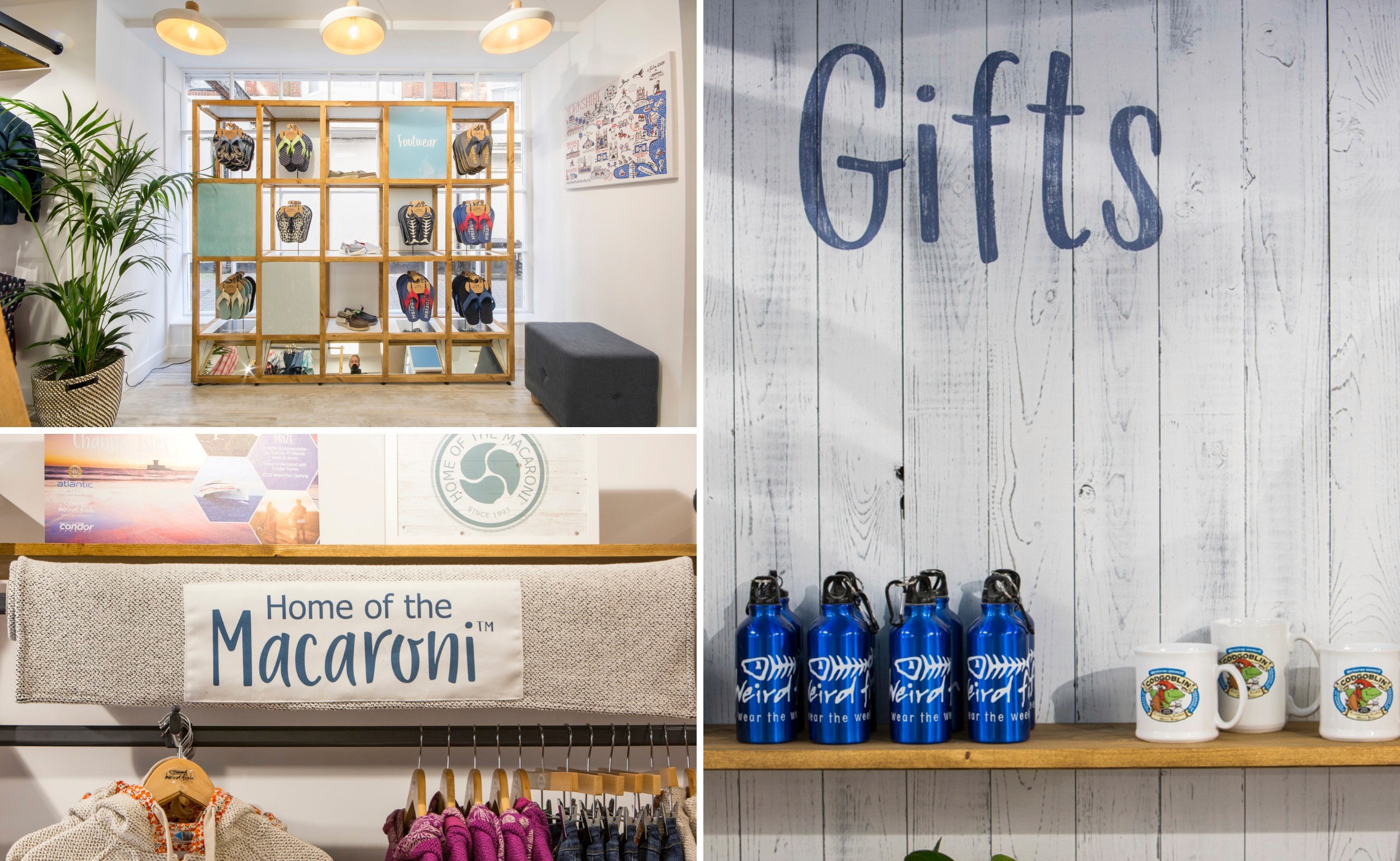
3. Immersive, Sensory Experiences
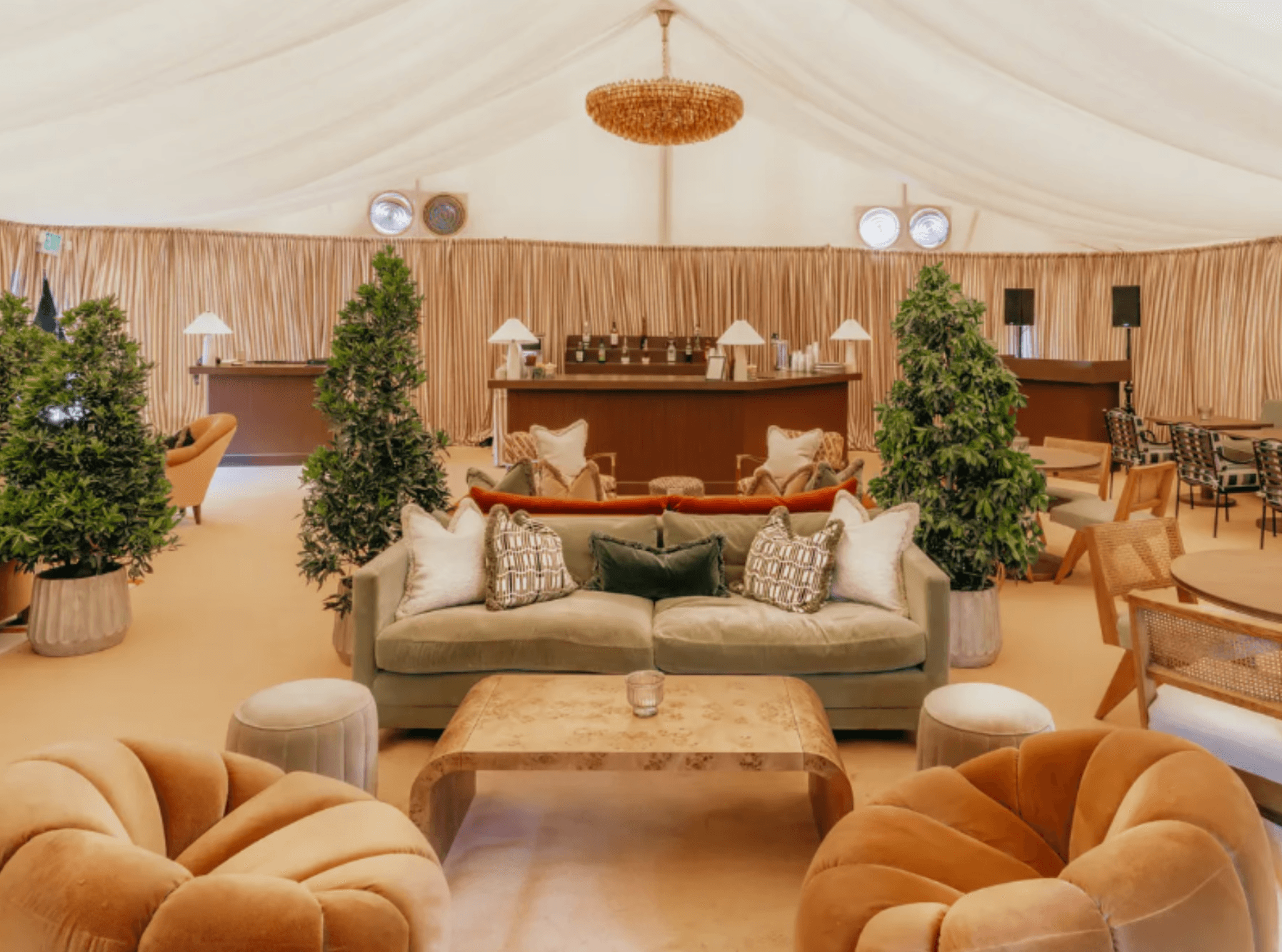
Engaging the senses can have a powerful impact on how customers feel in a store. Thoughtful use of lighting, sound, texture and even scent can influence mood, slow customers down and encourage browsing.
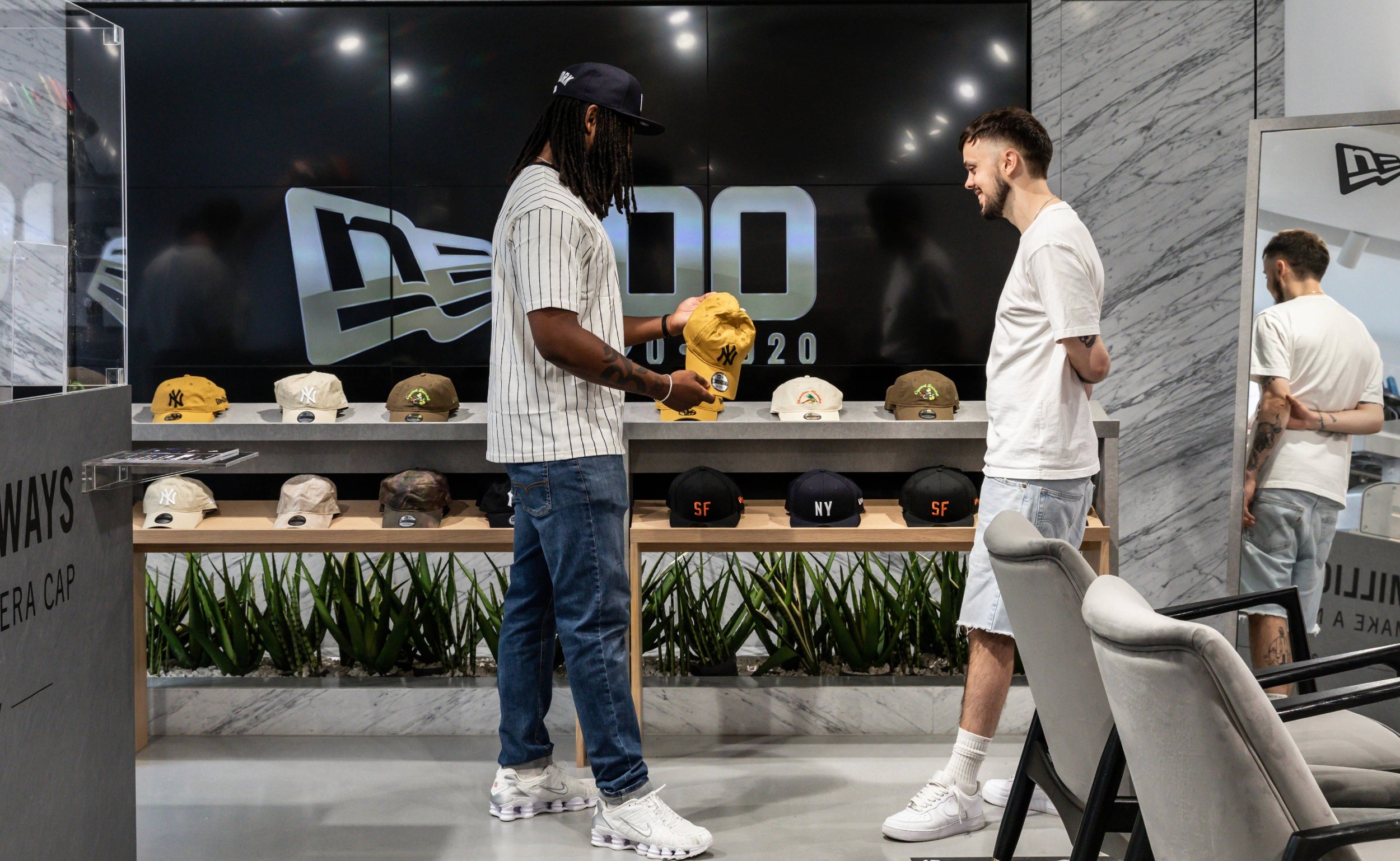
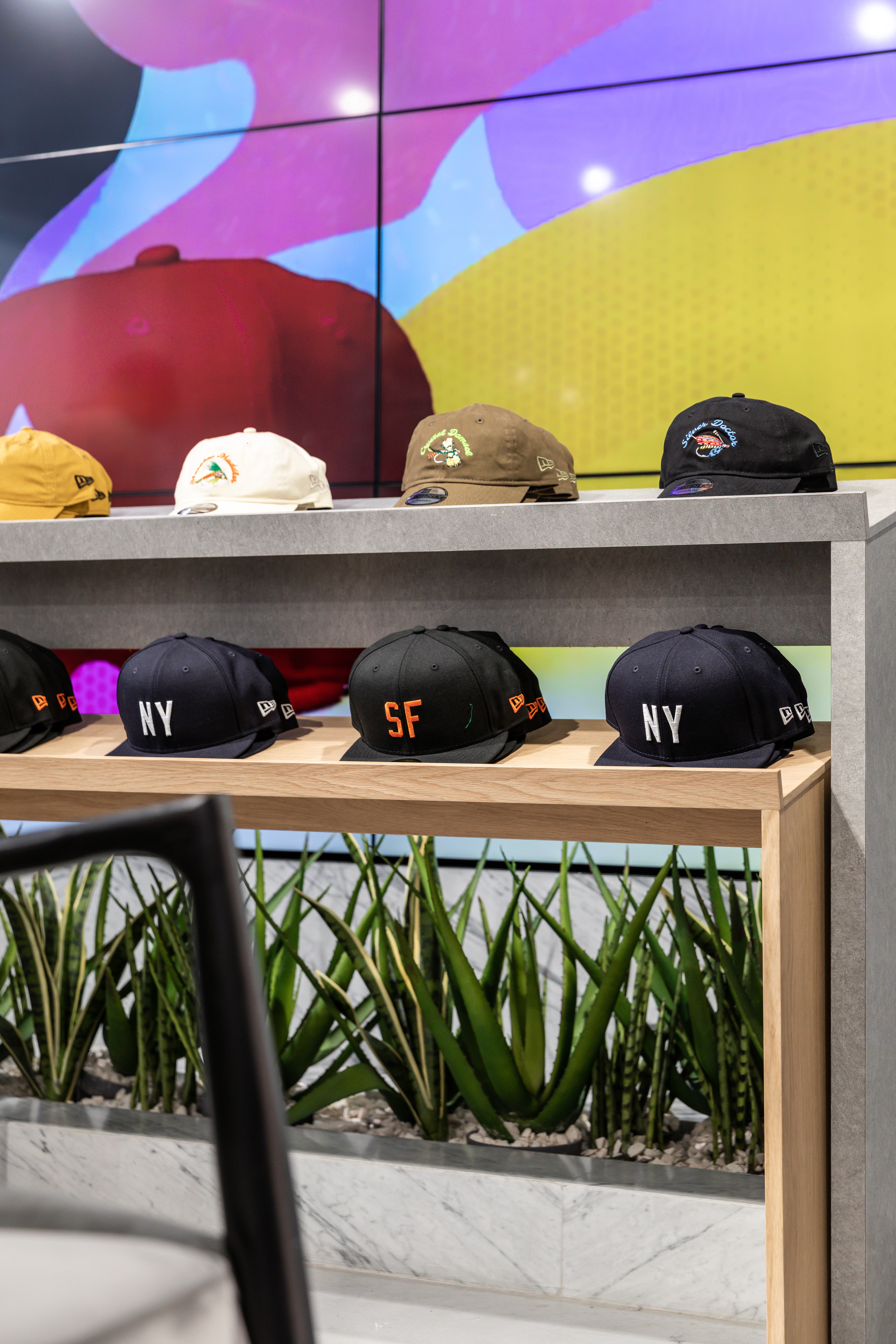
Tactile displays that invite interaction, considered soundscapes and lighting that guides movement all help create environments that feel memorable rather than purely functional.
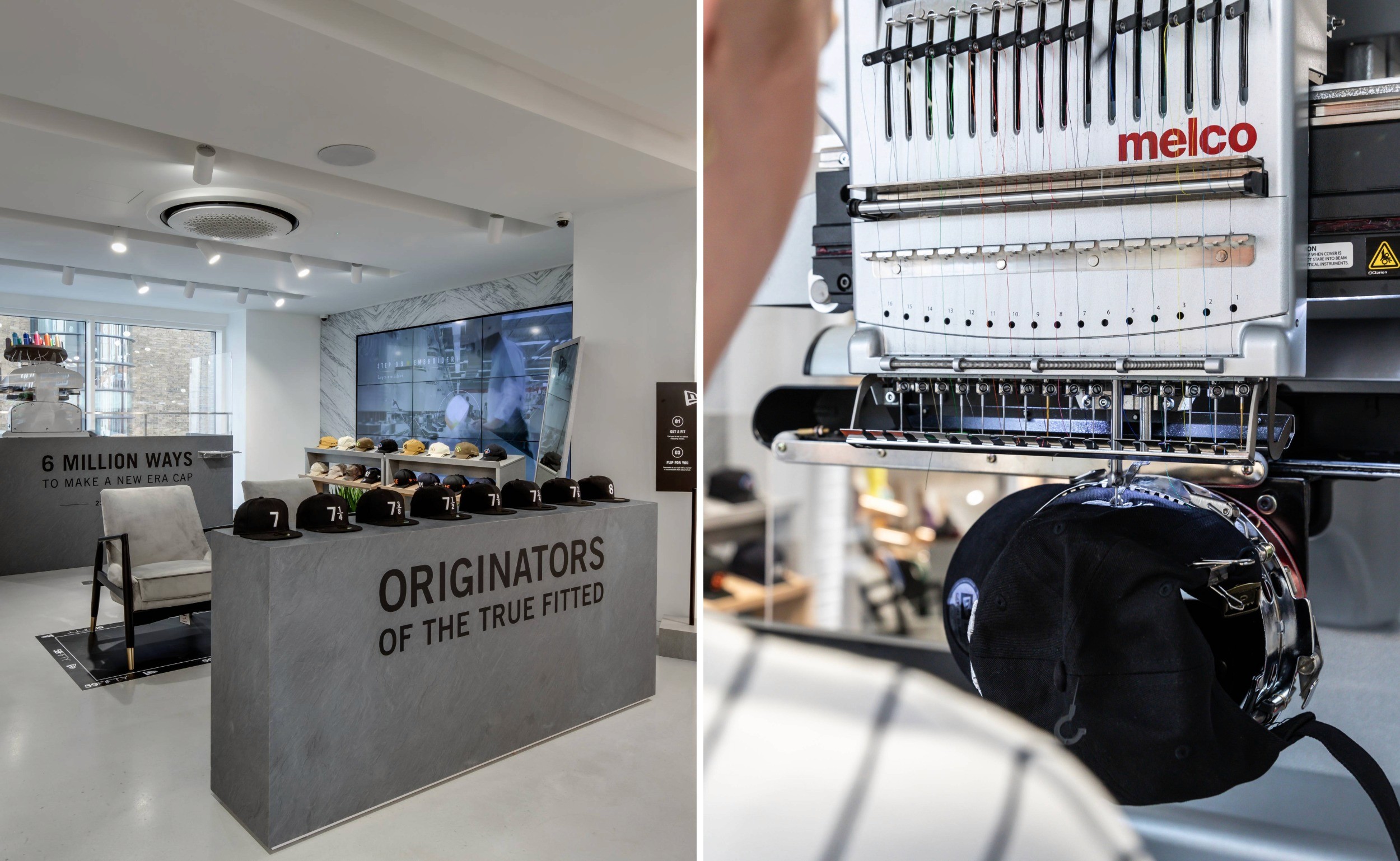
4. Consistent and Considered Branding
Strong retail branding goes far beyond placing a logo on the wall.
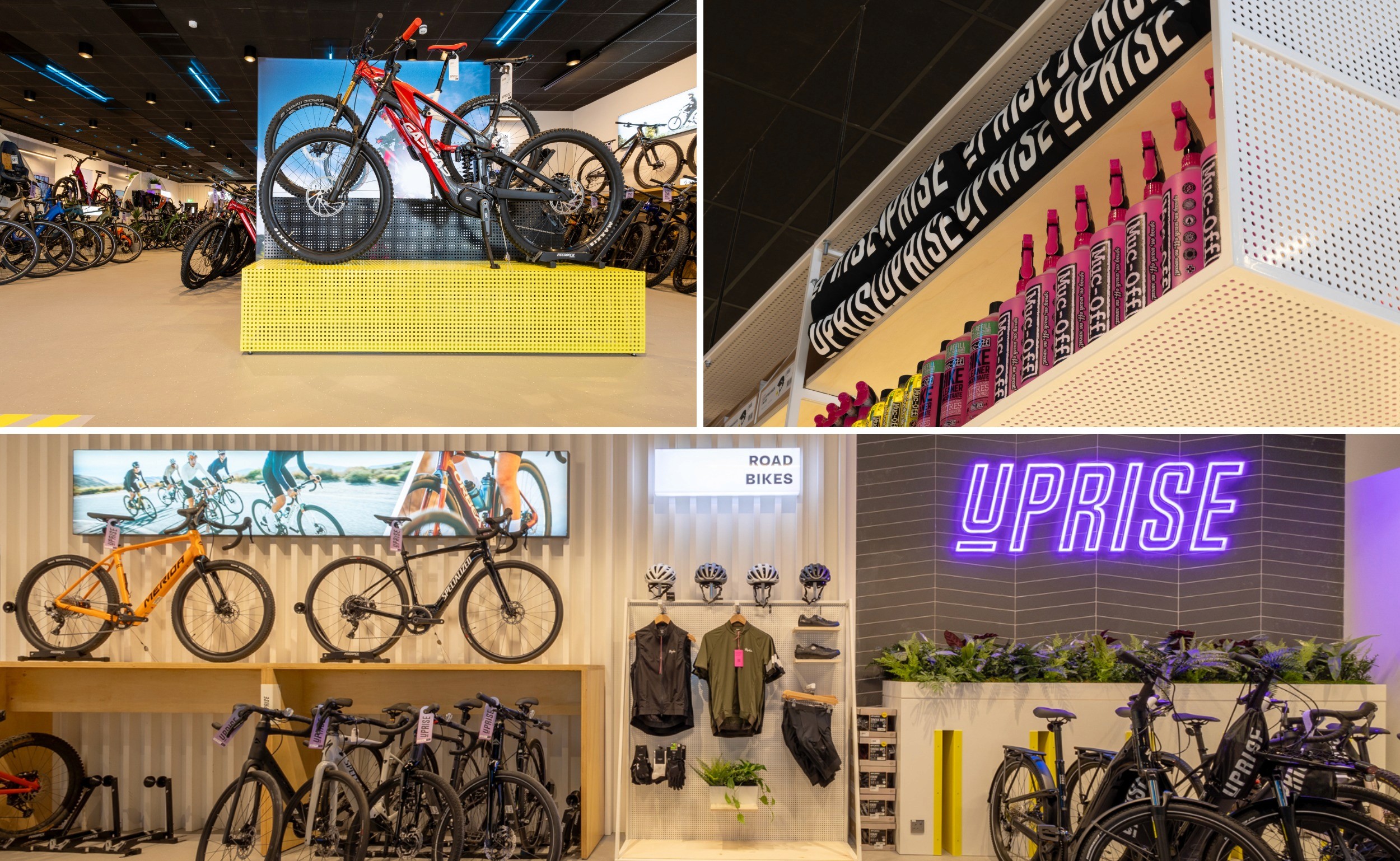
Your store should feel like a physical extension of your brand - reflecting the same tone, values and personality found across your packaging, website and wider communications. Materials, colours, graphics and even spatial details all contribute to this impression.
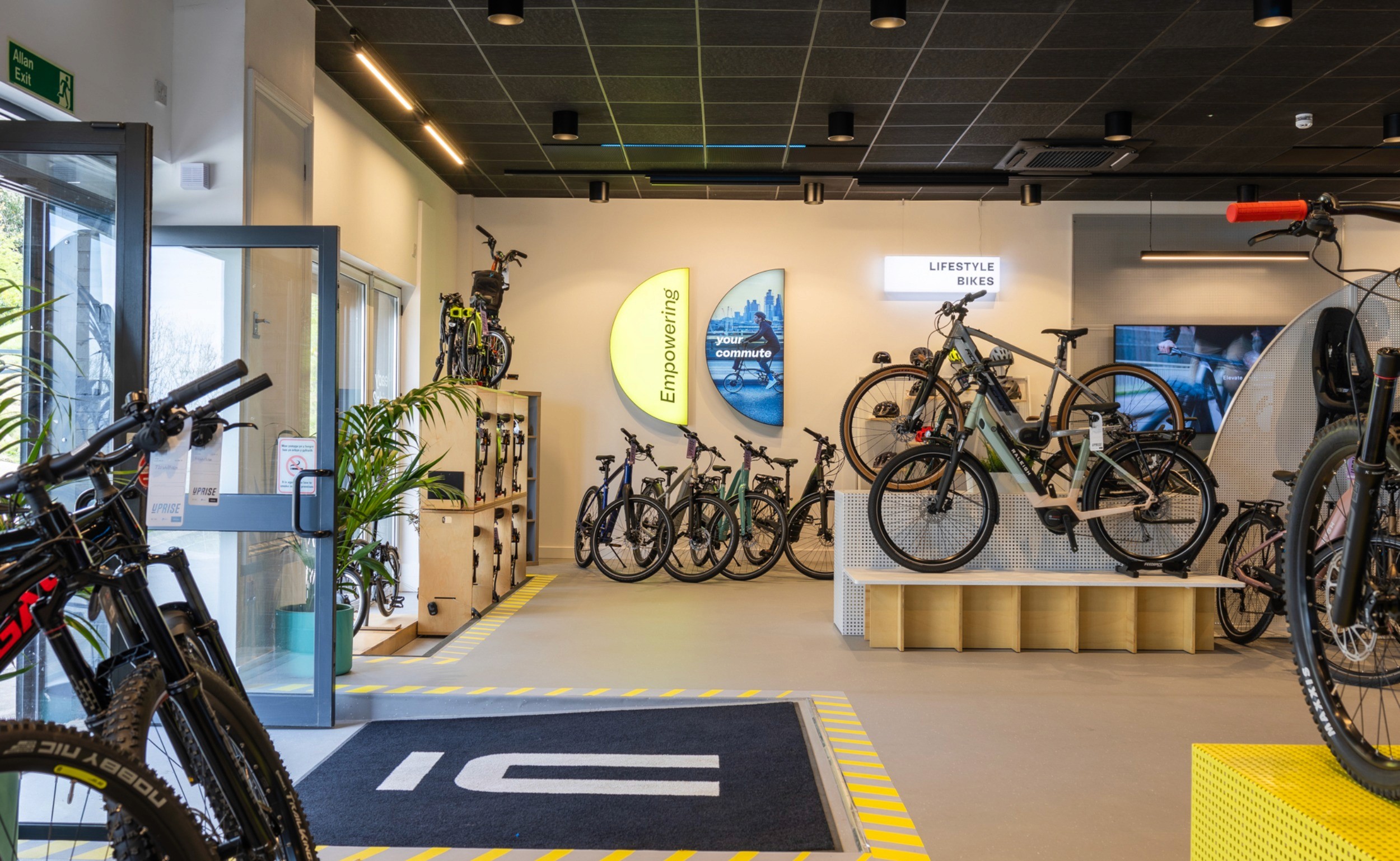
When branding is consistent across every touchpoint, customers quickly understand who you are and what you stand for, helping to build familiarity and trust.
Final Thoughts
Designing a retail store that attracts customers and supports sales is about creating a space that feels intuitive, engaging and aligned with your brand.
When customer journey, communication, experience and branding work together, stores become places people enjoy returning to - not just places to buy products.
If you’re planning a new retail store this year, we’re always happy to talk through ideas. Get in touch.