What Customers Expect from Retail Stores in 2026
May 15, 2026
Retail stores are changing.
Customers no longer visit physical spaces simply to browse products. By the time many people enter a store, they’ve already researched online, compared options and formed opinions about the brand. What they’re looking for now is an experience.
As expectations continue to shift, retail spaces are becoming more than places to purchase. They are increasingly expected to build connection, reflect brand identity and give customers a reason to spend time within them.
So what are customers actually expecting from retail stores in 2026?
A Clear and Intuitive Customer Journey
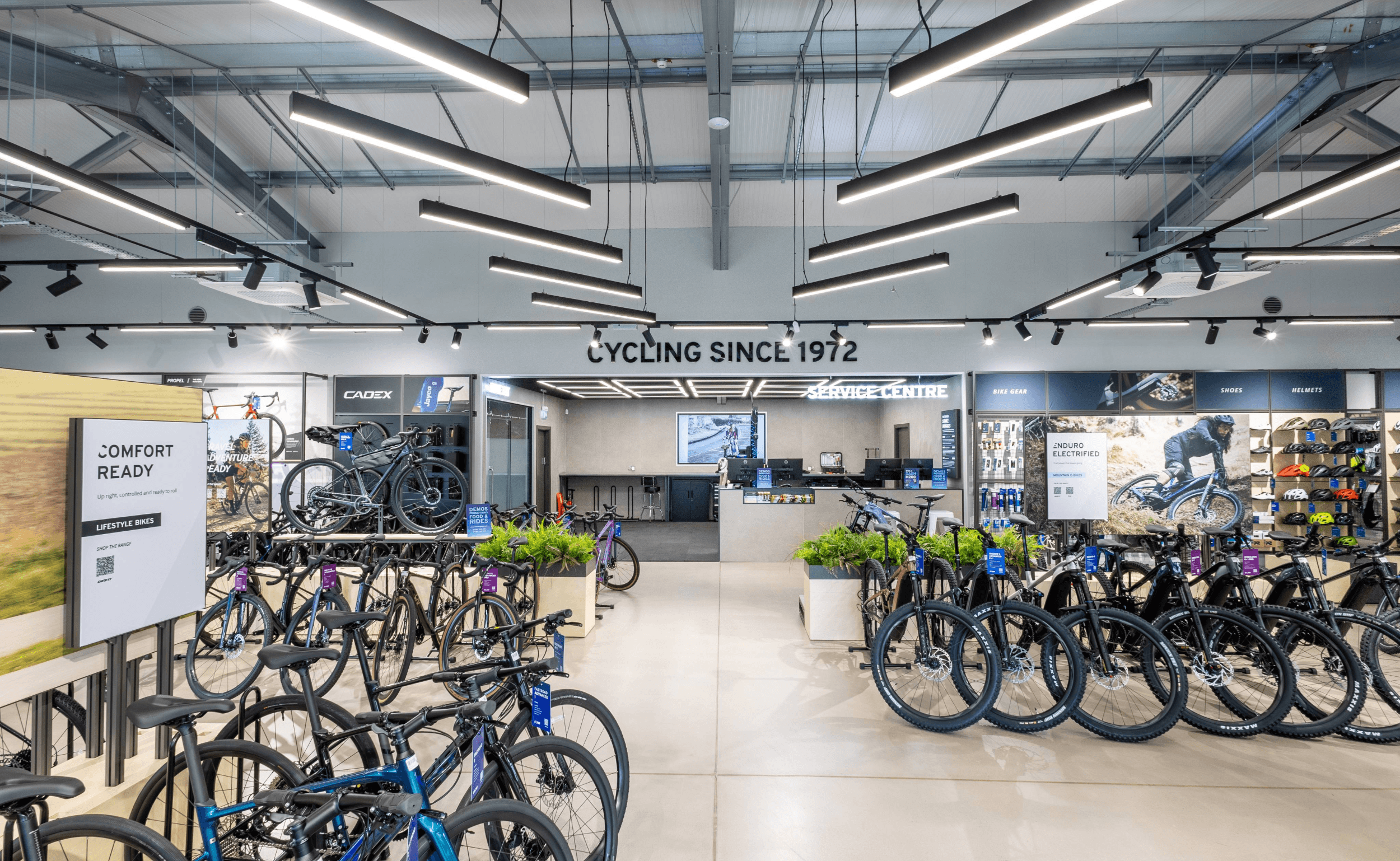
Customers want to understand a space quickly and move through it naturally. This is why we focus on how people move through the store and what elements are needed to create an effortless experience for the visitors.
Confusing layouts, unclear zoning or overcrowded displays create friction and often shorten dwell time. Elements like lighting, materials and clear signage can help massively with this, making navigation feel effortless, the experience feel calmer, more enjoyable and ultimately more engaging.
Spaces That Feel Authentic to the Brand
Customers are becoming increasingly aware of brand identity and consistency across physical and digital touchpoints especially as this is what helps build brand trust and keeps customers returning to stores that feel familiar.
Retail spaces are expected to feel aligned with the wider brand world from material choices and colour palettes through to tone of voice and customer interaction. This doesn’t mean placing logos everywhere, often, the most effective retail environments communicate identity more subtly through atmosphere, detail and spatial design.
Flexibility and Change
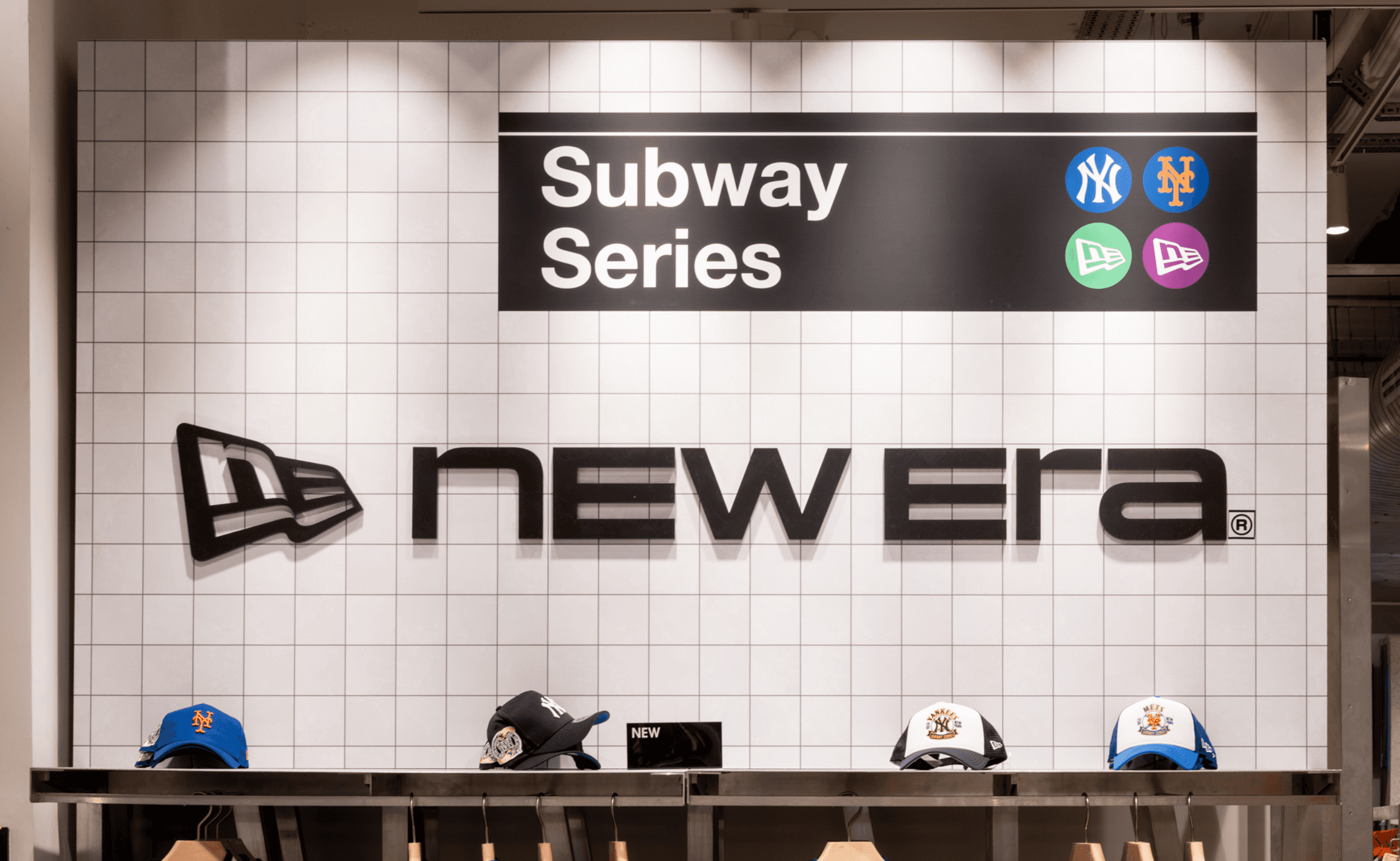
Retail moves quickly with seasonal launches, collaborations, campaigns and changing product ranges so all stores require the ability to adapt. This is why we always focus on flexible display systems and modular layouts. This allows our clients’ brands to evolve their spaces without requiring constant large-scale refurbishments.
Designing with flexibility in mind also allows stores to support different types of events within the store like product launches and community events.
Final Thoughts
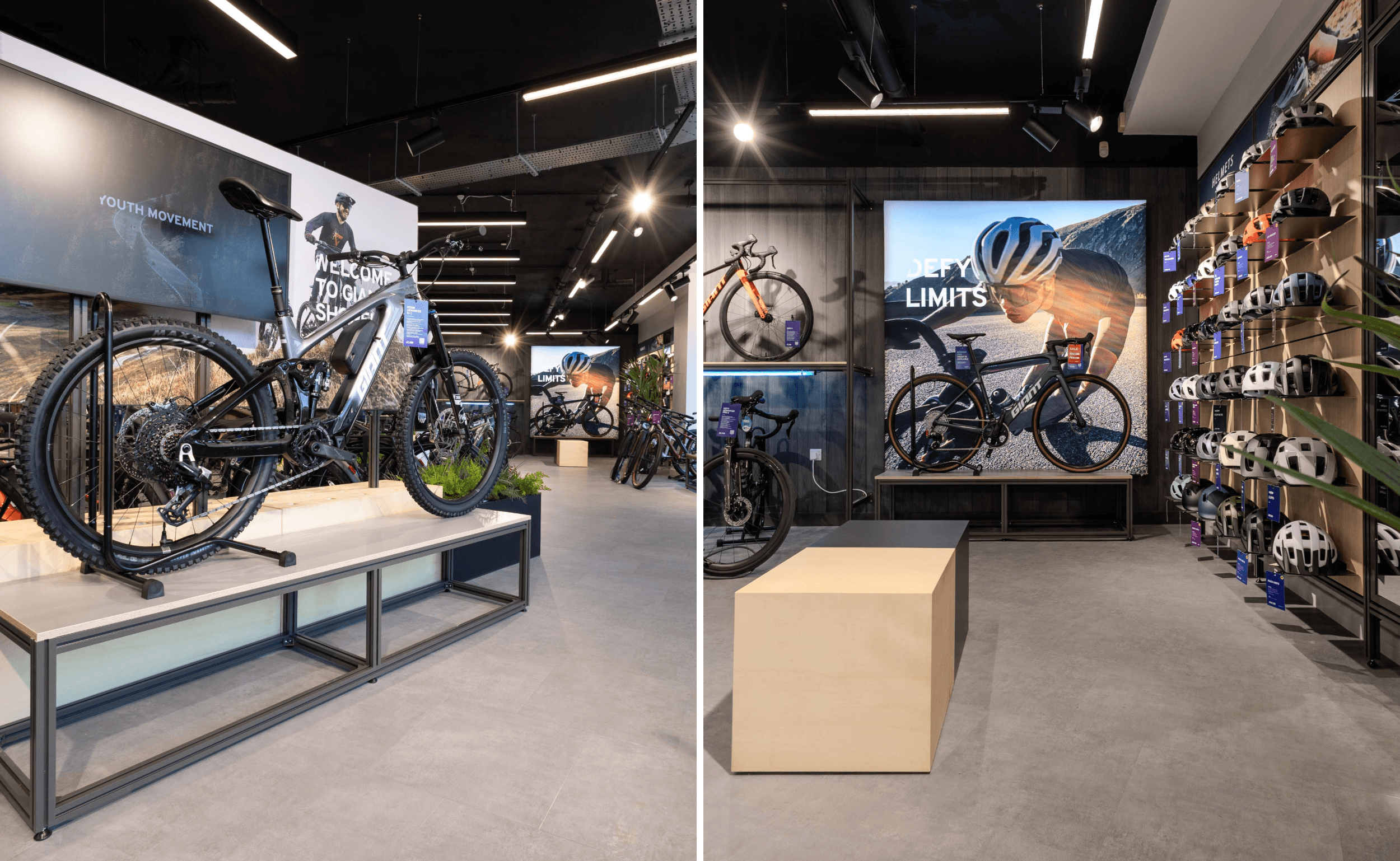
Customers expect spaces that are intuitive, experience-led and reflective of the brand behind them. They want environments that feel flexible, welcoming and designed around how people actually move, browse and interact.
The brands that succeed will be the ones designing stores not just for product, but for the customers always.
If you’re planning your next retail space, we’d love to help create an environment that connects with customers and works harder for your brand.