2026 Retail Design Features: What you need to know
Dec 17, 2025
5 Retail Design Features Every Store Should Consider in 2026
The most successful retail design projects in 2026 will go far beyond aesthetics.
They’ll be shaped by flexibility, experience and long-term value, creating retail environments that can adapt to changing customer behaviours and merchandising while always strengthening brand identity.
Here are 5 retail design features every brand should think about when designing your next store.
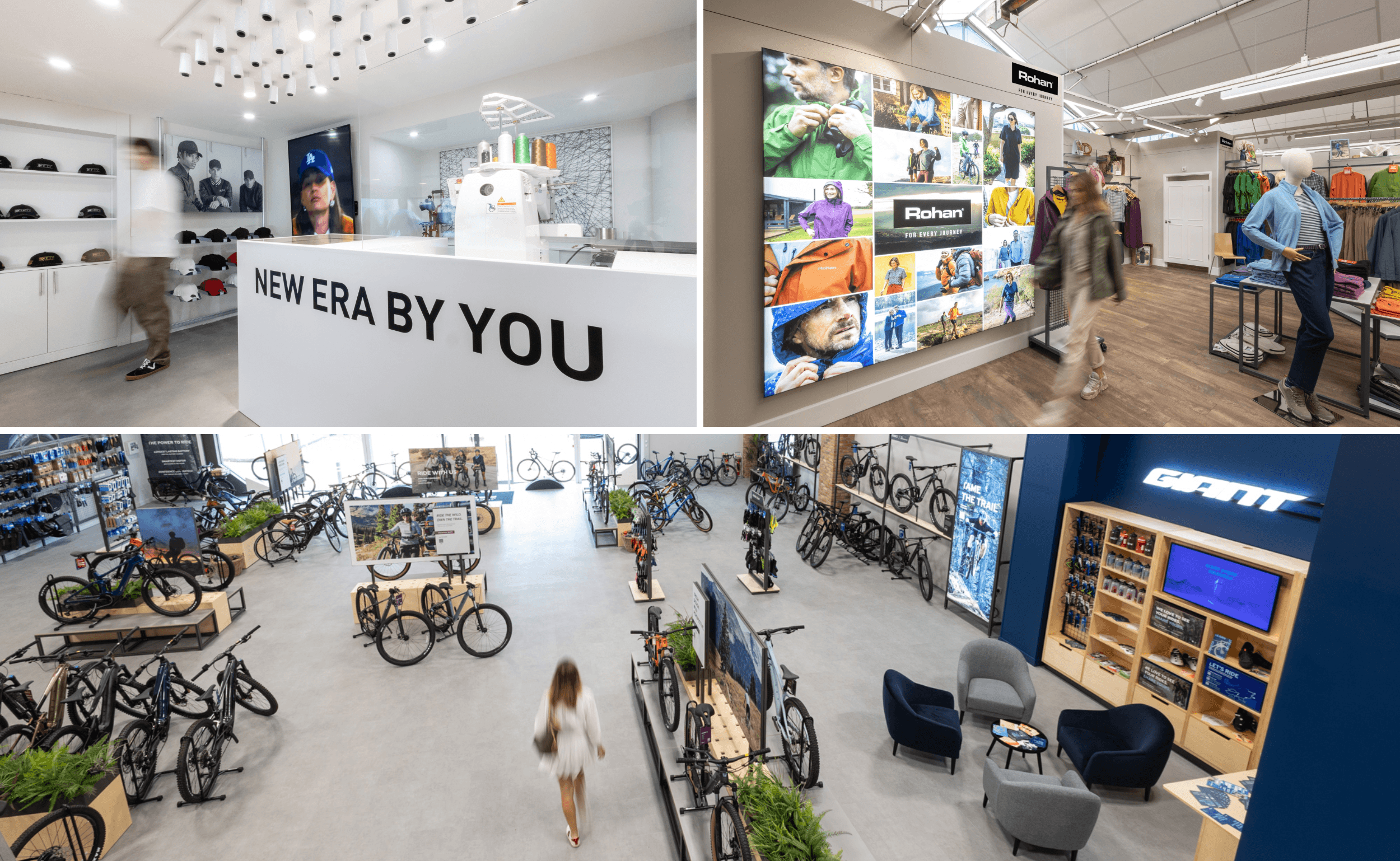
1. Flexible Retail Layouts
Modern retail design needs to adapt throughout the year to new collections, campaigns and customer expectations.
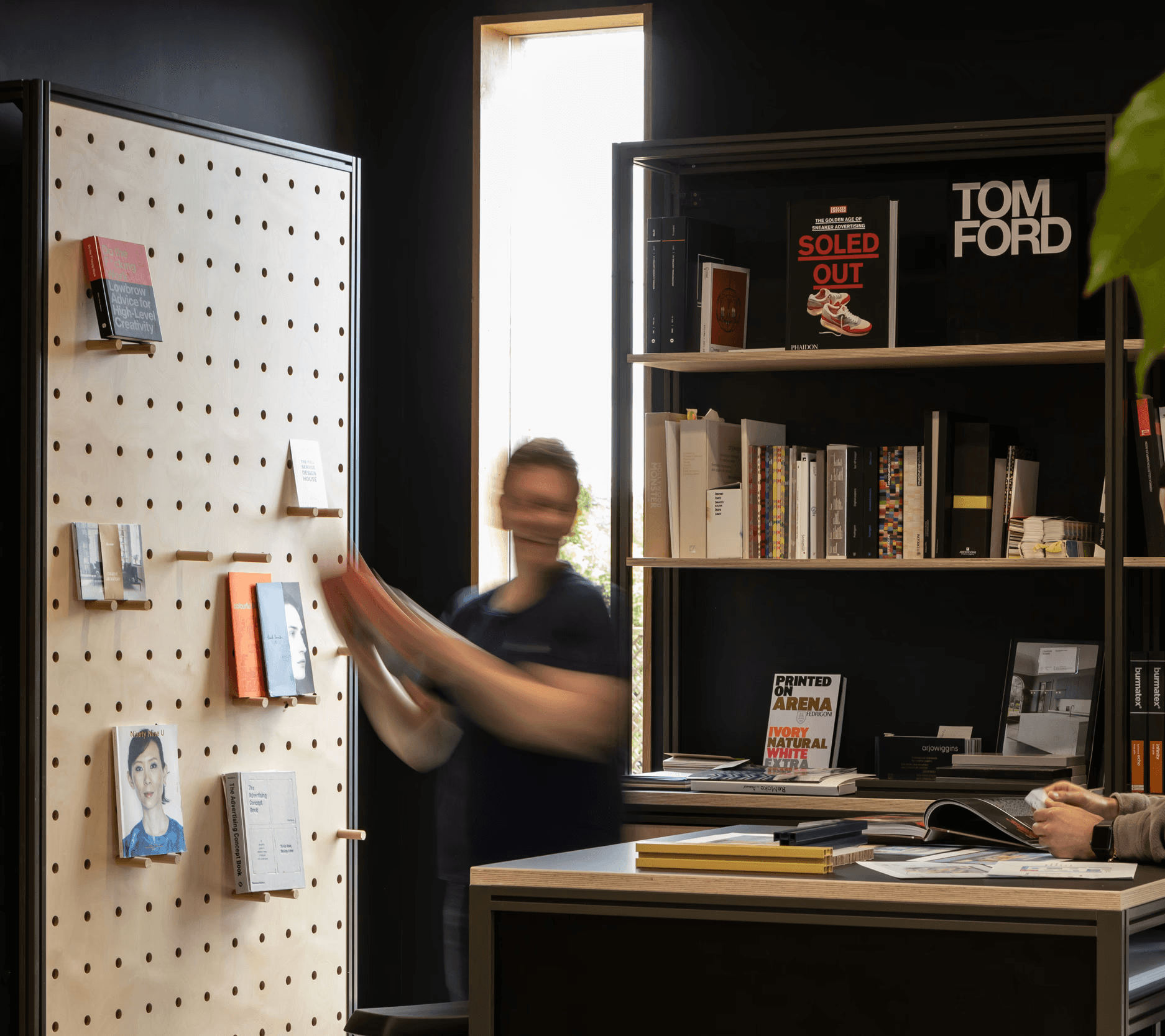
Flexible retail spaces need to use modular display systems, adaptable fixtures and layouts that can shift throughout the year. This allows stores to support seasonal merchandising, pop-ups, events and storytelling moments without the need for constant costly refurbs.
2. Experience-Led Store Design
Experience-led environments should be designed around customer movement and their natural journey.
Clear customer journey, considered lighting and moments for interaction all contribute to increased dwell time. When customers feel relaxed and interested within a store, they naturally spend longer exploring and in turn increasing the likelihood of purchase.
3. Integrated Storytelling
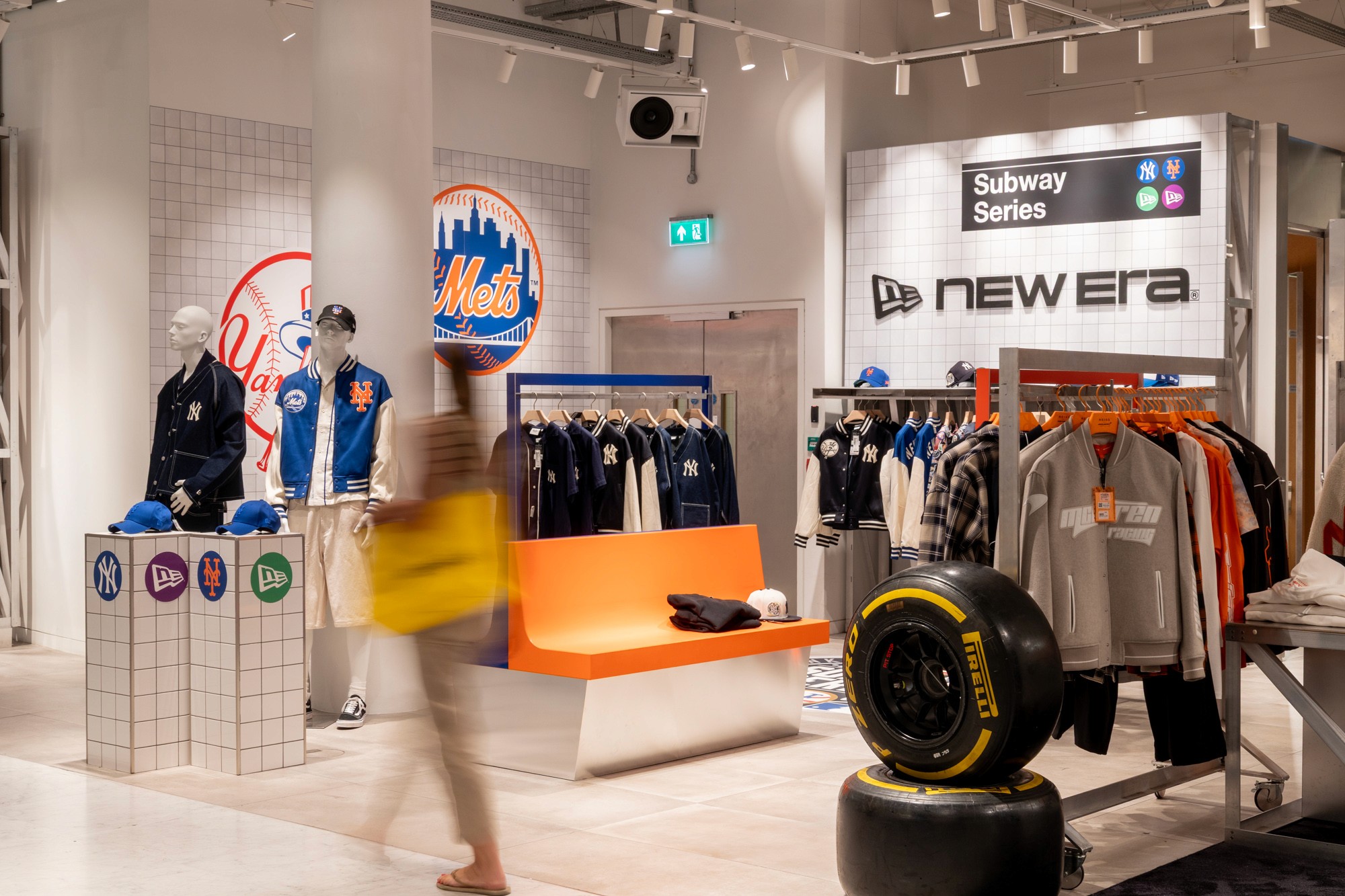
Through materials, colour palettes, architectural details and subtle graphics, brand stories can be communicated naturally rather than relying solely on overt branding. This creates stores that feel authentic, immersive and recognisable, helping customers immediately understand who the brand is and what it stands for.
4. Environmentally Conscious Design
Environmentally conscious design is no longer optional, so brands are increasingly expected to consider the environmental impact of their physical spaces.
Designing with durability in mind means choosing long-lasting, responsibly sourced materials, energy-efficient lighting and modular systems that can be reused or adapted over time.
5. Clear Wayfinding
If people can’t quickly understand where to go, what’s on offer or how the store is organised, they’re far more likely to disengage.
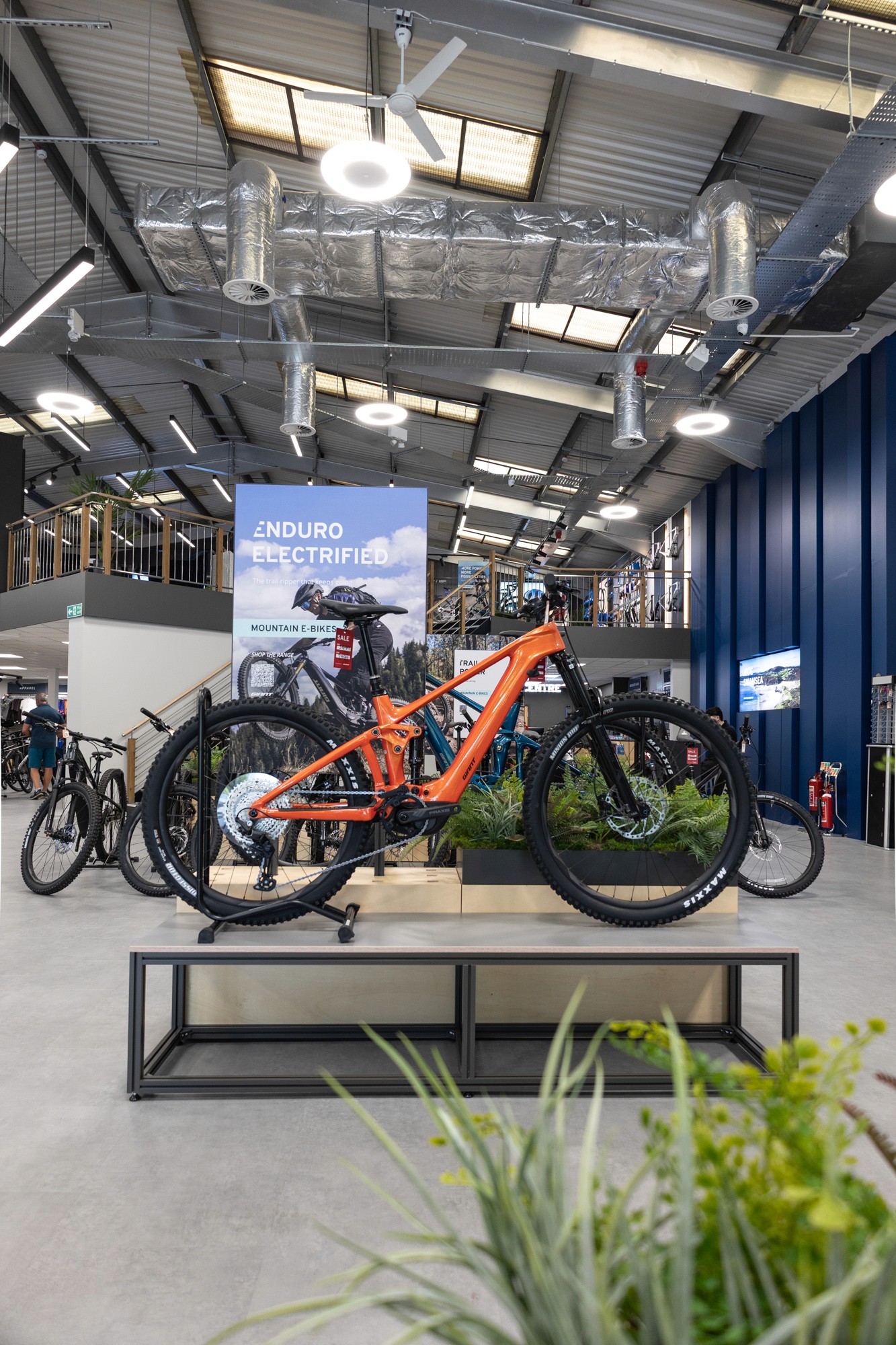
Clear wayfinding in retail design uses visual cues such as zoning, lighting, signage, material changes and overall layout to guide customers naturally through the space. When wayfinding is done well, it improves dwell time, reduces friction and makes the shopping experience feel calm, considered and enjoyable.
Final Thoughts
If you’re planning your next store for 2026, we’d love to help. We design retail environments and brand destinations that bring ideas to life and create lasting impact. Get in touch!